Social Skills and Teamwork in Gracie Barra Agoura Jiu Jitsu Kids Classes
Brazilian Jiu-Jitsu (BJJ) is technically an “individual” sport—it is 1-on-1 on the mats—Gracie Barra Agoura Hills operates on a counter-intuitive truth: You cannot master an individual sport without a team.
At 5883 Kanan Rd, the mat is treated as a social laboratory. Under the guidance of Professor Jaeson Bianchi, children learn that their progress is inextricably linked to the progress of their partners. This dynamic cultivates profound social skills and teamwork in a way that traditional team sports (like soccer or baseball) often miss.
Here is a detailed breakdown of how social skills and teamwork are forged in the Future Champions Program.
- The “Partner Trust” Dynamic
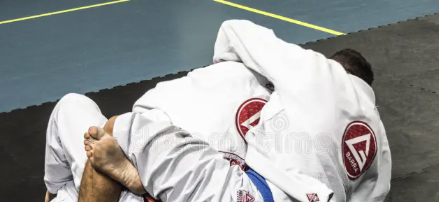
In soccer, you can practice dribbling a ball alone. In BJJ, you cannot practice alone. You need a human body to learn leverage. This necessity creates a unique social bond.
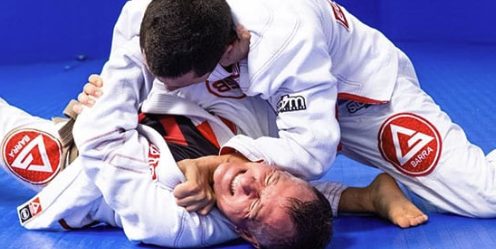
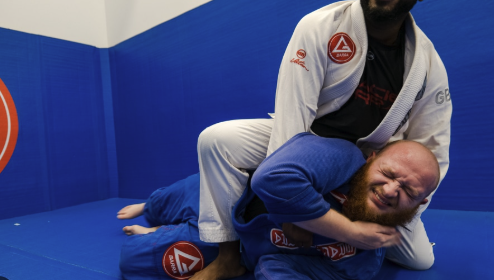
Consent and Boundaries: Every time a child drills a move (like an armbar), their partner is effectively saying, “I trust you with my safety. Do not hurt me.” The student applying the move learns to respect that trust by moving carefully. This teaches empathy and physical responsibility for others.
The “Tap” as Communication: The “tap” (signaling submission) is a non-verbal conversation. One child says, “You got me,” and the other says, “I acknowledge that, and I will stop immediately.” Mastering this interaction teaches children to respect boundaries instantly—a vital social skill for the playground.
- “Irmandade”: The Culture of Brotherhood
Gracie Barra is built on the Portuguese concept of Irmandade (Brotherhood/Sisterhood). This philosophy teaches that the team is stronger than the individual.
We Grow Together: Children are taught that if they are the best in the room, they have a duty to help the others catch up. A rigorous training partner makes you better. Therefore, helping your friend get better is actually selfishly good for you.
No “Benchwarmers”: In baseball, the worst player sits on the bench. In BJJ at GBAH, everyone participates 100% of the time. The shyest child and the most athletic child are on the same mat, doing the same drills, often paired together. This dissolves social cliques.
- Peer Leadership and Mentorship
The belt system creates a natural hierarchy that promotes leadership rather than dominance.
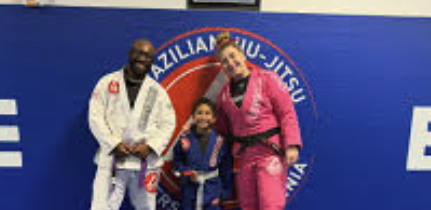
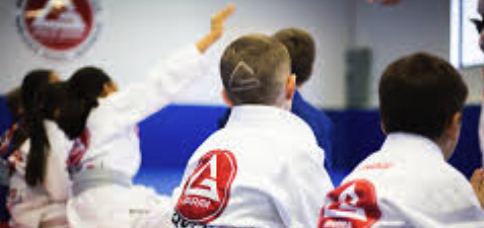
The “Big Brother/Sister” Role: Higher belts (Grey, Yellow) are often paired with brand-new White Belts during drills. The older child is tasked with helping the new child understand the move.
The Social Benefit: The older child learns patience and communication skills (how to explain a complex movement). The younger child feels welcomed and protected, reducing the anxiety of being “the new kid.”
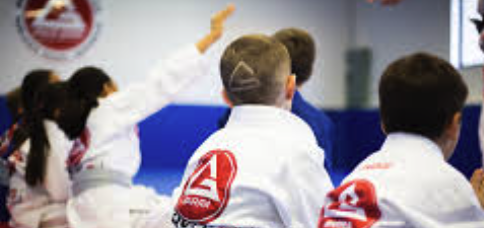
Leading Warm-Ups: Instructors often pick a student who is behaving well to lead the counting during warm-ups. This gives shy children a safe, structured opportunity to use their voice and command the attention of the room.
- Conflict Resolution (The “Win-Win” Mindset)
Conflict is inevitable among kids. BJJ provides a framework for resolving it without anger.
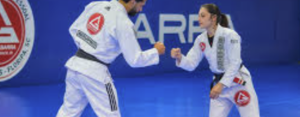
Controlled Aggression: Boys and girls often have an urge to roughhouse. BJJ gives them a dedicated space to do this within rules. When the buzzer rings, the “fight” ends, and they must shake hands. This separates aggression from anger.
Humility in Victory: Children are strictly coached on how to win. Celebrating excessively or mocking a losing partner is strictly forbidden. They learn that a true champion lifts their opponent up after the match.
- Communication Skills (Verbal & Non-Verbal)
To successfully drill a technique, partners must communicate.
Feedback Loop: You will often hear kids saying, “Wait, that hurts, move your arm,” or “No, grab my collar here.” They learn to give and receive constructive feedback without taking it personally.
Reading Body Language: During sparring, a child must read their opponent’s intent through body language (tension, weight distribution). This develops high Emotional Intelligence (EQ), helping them read social cues better in school and social settings.
- The “Buddy System” for New Students
Gracie Barra Agoura Hills ensures no child ever feels isolated on their first day.
The Welcome: When a new student walks in for a free trial, the Professor assigns a “Buddy”—usually a responsible, friendly student of the same age.
The Role: The Buddy helps them find a spot in line, shows them how to bow, and partners with them for drills. This instantly integrates the new child into the social web of the class.
At Gracie Barra Agoura Hills, the martial art is the vehicle, but the destination is Social Character. By struggling, sweating, and succeeding together, children form bonds that go far deeper than typical school friendships. They learn that strength is not just about overpowering an opponent, but about empowering a teammate.
Hours
Mon-Thurs: 12 PM to 9 PM
Fridays: 12 PM to 7 PM
Saturdays: 9 AM to 2 PM
Sundays: CLOSED
Contact
Phone Number: +1 805-800-9681
info@gbnorthridge.com
Location
19520 Nordhoff St Unit 10 Northridge, CA 91324
Social Skills and Teamwork in Gracie Barra Agoura Jiu Jitsu Kids Classes
Route
Gracie Barra Agoura Learn Brazilian Jiu Jitsu
Secondary phone: +1 805-800-9681
Email: info@gbagoura.com
URL: https://gbagoura.com/
| Monday | 12:00 PM - 8:00 PM |
| Tuesday | 12:00 PM - 8:00 PM |
| Wednesday | 12:00 PM - 8:00 PM |
| Thursday | 12:00 PM - 8:00 PM |
| Friday | 12:00 PM - 1:00 PM |
| Saturday | 10:00 AM - 12:30 PM |
| Sunday | Closed |